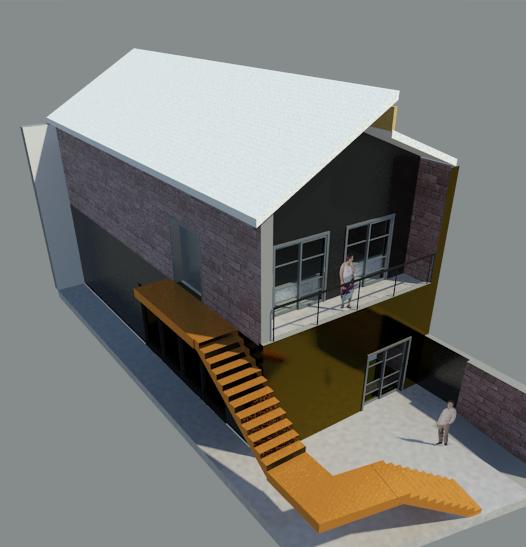
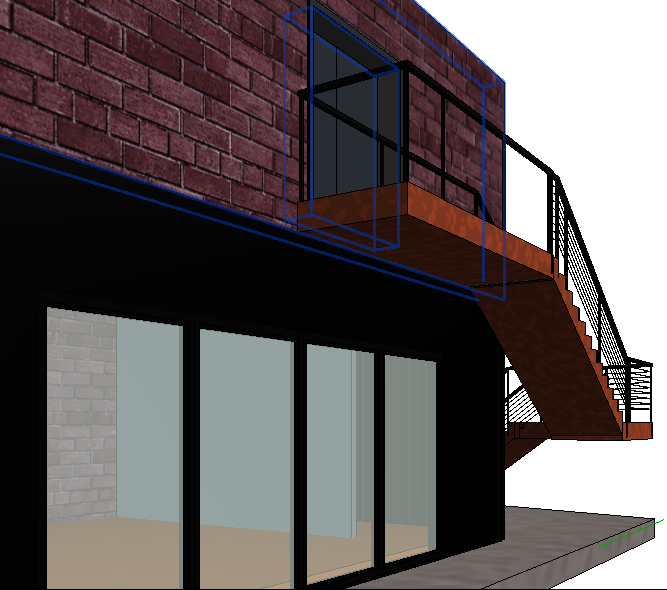
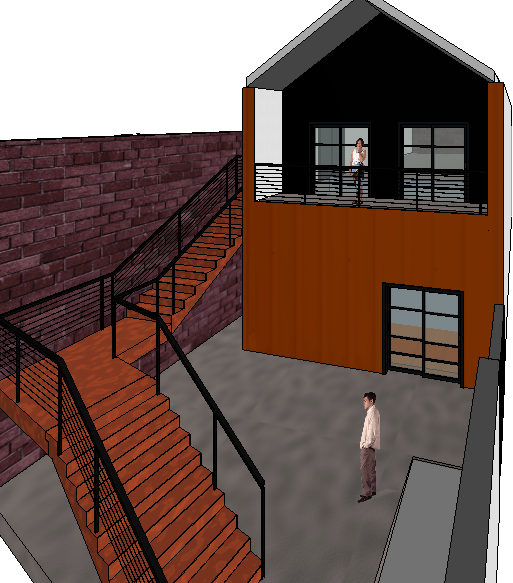
In transforming the old building into a contemporary space, various design possibilities have been explored to maximise its potential while adhering to sustainability principles and meeting the requirements based on construction council requirements. The aim was to create a space that meets the community’s needs and enhances the connection between the precinct, suburb and its surroundings, including the local Urban Design, public transport accesses and the community culture.
One of the key design considerations was the incorporation of retractable audience seating. This feature allows for flexible use of the space, enabling it to accommodate different events and performances. By utilising retractable seating, the layout can be easily adjusted to cater to varying audience sizes and plays requests, ensuring optimal space utilisation and enhancing the overall functionality of the venue.
By carefully planning the layout and considering the available space, the idea was to make the most efficient use of the site. Furthermore, the Design takes into account the importance of maximum land use.
In addition to functionality and space optimisation, sustainability plays a crucial role in the design approach. The selection of materials and construction techniques prioritises sustainable practices, such as using recycled or renewable materials, energy-efficient systems, and environmentally friendly construction methods. These choices contribute to reducing the building’s carbon footprint and minimising its environmental impact. The construction council requirements, which include guidelines for energy efficiency, waste management, and the District Plan of urban areas for residential medium density Zone, were diligently followed.
The result is a space that seamlessly integrates into its environment while providing a modern and versatile venue for artistic expression, community engagement, and cultural experiences.



 Artecture